- Out-of-Stock
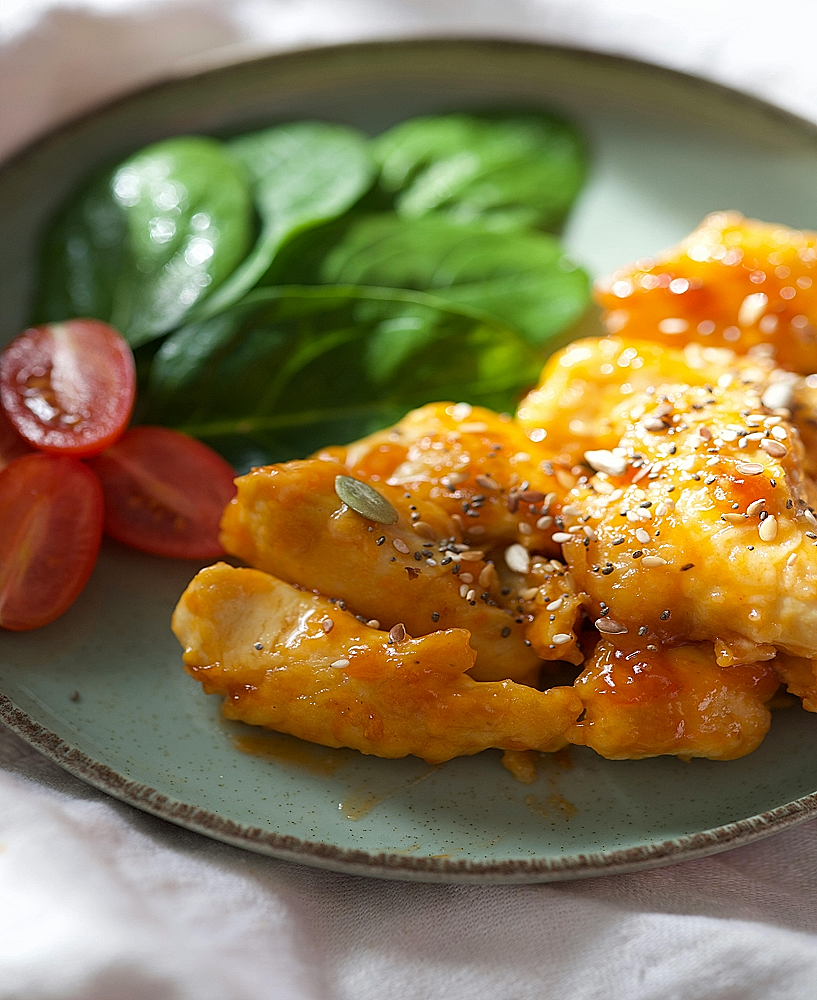

Recipe – American Tender Chicken
Other names: Melt Chicken, American Tender Chicken
Discover the authentic Melt-In-Your-Mouth Chicken recipe, an iconic family dish of modern American cuisine, known for its tender texture and golden Parmesan crust. A simple, creamy, and irresistibly melt-in-the-mouth preparation.
Saying
"In the South, they say a chicken that melts is a chicken made with love."
Legend
Legend has it that a Kentucky farmwoman, faced with a tough old rooster, sought a way to make it edible for her family. Tired of dry, chewy meat, she covered it in yogurt and cheese before placing it in the oven.
From this fortunate discovery arose the name of the legendary dish: Melt-In-Your-Mouth Chicken.
In the rolling hills of Kentucky, neighbors marveled as this farmer transformed an old rooster into an exceptionally tender dish. The golden, velvety meat seemed to fall apart on its own, and every bite literally melted on the tongue.
Word quickly spread across farms and neighboring villages. Children laughed, saying: “Her chicken doesn’t need chewing; it disappears like March snow in the sun.”
According to Southern oral tradition, Melt-In-Your-Mouth Chicken is more than just poultry: it symbolizes rural creativity and the ability to transform modest ingredients into a feast.
Using fermented dairy like yogurt and cheese, combined with slow and gentle oven cooking, created a unique culinary alchemy—tender and flavorful.
Over the years, the recipe was passed down through generations, retaining its evocative name and reputation for being tender and generous.
Some say families would organize entire meals around this chicken, showcasing their skill and hospitality. It became a symbol of conviviality and sharing, especially during family gatherings.
Today, it remains a classic beloved by food lovers and comfort-food enthusiasts. Modern chefs continue to reinvent it while preserving the legendary tenderness that earned its name.
The legend and poetry of this dish remind us that sometimes the greatest culinary discoveries come from simple gestures and careful observation of ingredients.
Melt-In-Your-Mouth Chicken is a symbol of creativity, patience, and generosity in American cooking—a living testament to Southern culinary history.
Country: United States
Region: Southeastern US (especially Kentucky and Tennessee)
Official status: None
Inventor: Home tradition, popularized in the 1980s by American cooking magazines (Taste of Home, Southern Living)
Codified recipe: No
Melt-In-Your-Mouth Chicken belongs to the American comfort-food tradition—simple, generous homemade recipes designed to nourish, comfort, and bring people together.
Its origin dates back to the 1950s–1960s, when dairy products (yogurt, hard cheeses, mayonnaise) became common in family kitchens. Combining a creamy base with chicken aimed to tenderize the meat while creating a gratinéed crust.
Early printed mentions appear in Southern and Midwestern community cookbooks, with variations depending on ingredient availability: some used Greek yogurt, others mayonnaise or cream cheese.
In the 1980s, the recipe gained renewed popularity through American women’s magazines highlighting its ease and “magical” effect: no long marination needed; gentle cooking alone achieved the melt-in-the-mouth texture.
Today, Melt-In-Your-Mouth Chicken is often served at family meals, brunches, or Sunday dinners, considered a “modern grandmother’s dish,” symbolizing both simplicity and abundance of the contemporary American table.
Since the recipe originates from home cooking, there are no historically recognized chefs. However, several American establishments have offered notable versions:
The Loveless Café – Nashville (TN): buttermilk and smoked paprika version
Bluebird Diner – Iowa City (IA): Greek yogurt and lemon adaptation
Cracker Barrel – national chain: creamy cheddar interpretation
Martha Stewart Living: media popularization in the 1990s
Magnolia Table – Waco (TX): buttermilk and panko crust version
The Southern Kitchen – Atlanta (GA): “buttermilk & Parmesan crust”
Southern Belle Café – Charleston (SC): mildly spiced with paprika and fresh herbs
Pecan Lodge – Dallas (TX): smoked BBQ with clarified butter
Old Town Café – Savannah (GA): yogurt and roasted garlic marinade
Breakfast Club – Louisville (KY): blue cheese and chive sauce
The Pantry – Atlanta (GA): creamy mascarpone with fine herbs
Sunrise Diner – Asheville (NC): fermented milk and honey, slow oven cooking
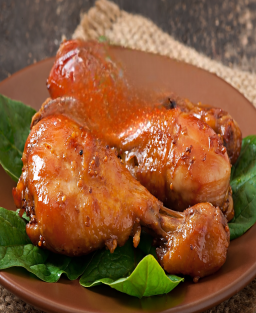
Appearance: golden, gratinéed on top, moist and juicy inside
Texture: extremely tender meat, slightly crisp creamy sauce
Dominant aromas: Parmesan, garlic, mild yogurt, dairy and roasted notes
Culinary specifics:
Moderate dry oven or fan-assisted baking
Gratin crust from dairy mixture (yogurt/mayo + cheese)
No prior marination
Necessary utensils:
Mixing bowl
Whisk or flexible spatula
Baking dish or stainless steel gastronorm
Paring knife
Cooking probe (74 °C core temperature)
4 boneless chicken breasts (~150 g each)
250 g plain yogurt or 200 g mayonnaise
60 g grated Parmesan
1 tsp garlic powder
1 tsp sweet paprika
Fine salt and freshly ground black pepper
(Optional) 1 tsp Dijon mustard or lemon juice
(Variation) Panko breadcrumbs for crisp finish
Prep time: 15 min
Cooking time: 35 min
Setup: Trim and pat dry the chicken breasts. Preheat oven to 200 °C.
Mixing: In a bowl, combine yogurt (or mayonnaise), Parmesan, garlic powder, paprika, salt, and pepper until smooth.
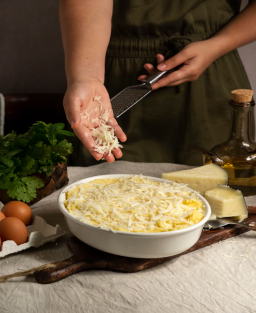
Coating: Place breasts in baking dish and generously coat with the creamy mixture.
Cooking: Bake 30–35 min (convection or moderate fan oven). Core temperature: 74 °C.
Finishing: Rest 5–10 min outside oven before serving. Optional: broil briefly for extra browning.
Slicing: Serve whole or sliced at an angle for plating.
Hygiene: Maintain cold chain (≤ 4 °C before cooking). Core cooking mandatory for poultry. Use dedicated board and knife for raw meat.
Southern style: buttermilk and smoked paprika
Greek style: Greek yogurt, lemon, oregano
Cheddar bake: replace Parmesan with cheddar
Contemporary “healthy”: gentle steaming followed by quick gratin
Preparation: Always dry chicken before coating for better adhesion
Cooking: Avoid high temperatures (>210 °C) that dry meat
Common mistake: Excess sauce prevents browning
Chef tip: Replace ⅓ of yogurt with sour cream for ideal balance of acidity and creaminess
Style: family or bistro
Presentation: plated, topped with pan juices
Sides: mashed potatoes, basmati rice, roasted vegetables, sautéed green beans, or homemade coleslaw
Wines:
California Chardonnay: 2020–2022, buttery, vanilla, lightly toasted
Languedoc Viognier: 2021–2023, smooth, floral, white fruit notes
Bourgogne Blanc (Meursault, Chassagne-Montrachet): young, 2021–2022, milky and oaky, pairs with tender chicken
Non-alcoholic alternatives:
Smoked black tea (Lapsang Souchong) for woodsy contrast
Homemade ginger lemonade: fresh and slightly spicy
Plain kombucha: effervescent, aids digestion and lightens the meal
Recipe – American Tender Chicken
Other names: Melt Chicken, American Tender Chicken
Discover the authentic Melt-In-Your-Mouth Chicken recipe, an iconic family dish of modern American cuisine, known for its tender texture and golden Parmesan crust. A simple, creamy, and irresistibly melt-in-the-mouth preparation.
Saying
"In the South, they say a chicken that melts is a chicken made with love."
Legend
Legend has it that a Kentucky farmwoman, faced with a tough old rooster, sought a way to make it edible for her family. Tired of dry, chewy meat, she covered it in yogurt and cheese before placing it in the oven.
From this fortunate discovery arose the name of the legendary dish: Melt-In-Your-Mouth Chicken.
In the rolling hills of Kentucky, neighbors marveled as this farmer transformed an old rooster into an exceptionally tender dish. The golden, velvety meat seemed to fall apart on its own, and every bite literally melted on the tongue.
Word quickly spread across farms and neighboring villages. Children laughed, saying: “Her chicken doesn’t need chewing; it disappears like March snow in the sun.”
According to Southern oral tradition, Melt-In-Your-Mouth Chicken is more than just poultry: it symbolizes rural creativity and the ability to transform modest ingredients into a feast.
Using fermented dairy like yogurt and cheese, combined with slow and gentle oven cooking, created a unique culinary alchemy—tender and flavorful.
Over the years, the recipe was passed down through generations, retaining its evocative name and reputation for being tender and generous.
Some say families would organize entire meals around this chicken, showcasing their skill and hospitality. It became a symbol of conviviality and sharing, especially during family gatherings.
Today, it remains a classic beloved by food lovers and comfort-food enthusiasts. Modern chefs continue to reinvent it while preserving the legendary tenderness that earned its name.
The legend and poetry of this dish remind us that sometimes the greatest culinary discoveries come from simple gestures and careful observation of ingredients.
Melt-In-Your-Mouth Chicken is a symbol of creativity, patience, and generosity in American cooking—a living testament to Southern culinary history.
Country: United States
Region: Southeastern US (especially Kentucky and Tennessee)
Official status: None
Inventor: Home tradition, popularized in the 1980s by American cooking magazines (Taste of Home, Southern Living)
Codified recipe: No
Melt-In-Your-Mouth Chicken belongs to the American comfort-food tradition—simple, generous homemade recipes designed to nourish, comfort, and bring people together.
Its origin dates back to the 1950s–1960s, when dairy products (yogurt, hard cheeses, mayonnaise) became common in family kitchens. Combining a creamy base with chicken aimed to tenderize the meat while creating a gratinéed crust.
Early printed mentions appear in Southern and Midwestern community cookbooks, with variations depending on ingredient availability: some used Greek yogurt, others mayonnaise or cream cheese.
In the 1980s, the recipe gained renewed popularity through American women’s magazines highlighting its ease and “magical” effect: no long marination needed; gentle cooking alone achieved the melt-in-the-mouth texture.
Today, Melt-In-Your-Mouth Chicken is often served at family meals, brunches, or Sunday dinners, considered a “modern grandmother’s dish,” symbolizing both simplicity and abundance of the contemporary American table.
Since the recipe originates from home cooking, there are no historically recognized chefs. However, several American establishments have offered notable versions:
The Loveless Café – Nashville (TN): buttermilk and smoked paprika version
Bluebird Diner – Iowa City (IA): Greek yogurt and lemon adaptation
Cracker Barrel – national chain: creamy cheddar interpretation
Martha Stewart Living: media popularization in the 1990s
Magnolia Table – Waco (TX): buttermilk and panko crust version
The Southern Kitchen – Atlanta (GA): “buttermilk & Parmesan crust”
Southern Belle Café – Charleston (SC): mildly spiced with paprika and fresh herbs
Pecan Lodge – Dallas (TX): smoked BBQ with clarified butter
Old Town Café – Savannah (GA): yogurt and roasted garlic marinade
Breakfast Club – Louisville (KY): blue cheese and chive sauce
The Pantry – Atlanta (GA): creamy mascarpone with fine herbs
Sunrise Diner – Asheville (NC): fermented milk and honey, slow oven cooking
Appearance: golden, gratinéed on top, moist and juicy inside
Texture: extremely tender meat, slightly crisp creamy sauce
Dominant aromas: Parmesan, garlic, mild yogurt, dairy and roasted notes
Culinary specifics:
Moderate dry oven or fan-assisted baking
Gratin crust from dairy mixture (yogurt/mayo + cheese)
No prior marination
Necessary utensils:
Mixing bowl
Whisk or flexible spatula
Baking dish or stainless steel gastronorm
Paring knife
Cooking probe (74 °C core temperature)
4 boneless chicken breasts (~150 g each)
250 g plain yogurt or 200 g mayonnaise
60 g grated Parmesan
1 tsp garlic powder
1 tsp sweet paprika
Fine salt and freshly ground black pepper
(Optional) 1 tsp Dijon mustard or lemon juice
(Variation) Panko breadcrumbs for crisp finish
Prep time: 15 min
Cooking time: 35 min
Setup: Trim and pat dry the chicken breasts. Preheat oven to 200 °C.
Mixing: In a bowl, combine yogurt (or mayonnaise), Parmesan, garlic powder, paprika, salt, and pepper until smooth.
Coating: Place breasts in baking dish and generously coat with the creamy mixture.
Cooking: Bake 30–35 min (convection or moderate fan oven). Core temperature: 74 °C.
Finishing: Rest 5–10 min outside oven before serving. Optional: broil briefly for extra browning.
Slicing: Serve whole or sliced at an angle for plating.
Hygiene: Maintain cold chain (≤ 4 °C before cooking). Core cooking mandatory for poultry. Use dedicated board and knife for raw meat.
Southern style: buttermilk and smoked paprika
Greek style: Greek yogurt, lemon, oregano
Cheddar bake: replace Parmesan with cheddar
Contemporary “healthy”: gentle steaming followed by quick gratin
Preparation: Always dry chicken before coating for better adhesion
Cooking: Avoid high temperatures (>210 °C) that dry meat
Common mistake: Excess sauce prevents browning
Chef tip: Replace ⅓ of yogurt with sour cream for ideal balance of acidity and creaminess
Style: family or bistro
Presentation: plated, topped with pan juices
Sides: mashed potatoes, basmati rice, roasted vegetables, sautéed green beans, or homemade coleslaw
Wines:
California Chardonnay: 2020–2022, buttery, vanilla, lightly toasted
Languedoc Viognier: 2021–2023, smooth, floral, white fruit notes
Bourgogne Blanc (Meursault, Chassagne-Montrachet): young, 2021–2022, milky and oaky, pairs with tender chicken
Non-alcoholic alternatives:
Smoked black tea (Lapsang Souchong) for woodsy contrast
Homemade ginger lemonade: fresh and slightly spicy
Plain kombucha: effervescent, aids digestion and lightens the meal